
This post will walk you through step-by-step how to relieve trigger points aka muscle knots on your own or with the help of a friend and also when not to use these techniques yourself but to seek professional help.
What you will learn:
- What are trigger points and how do you get them
- Things to consider before you start
- A Step by Step Guide to relieve Trigger Point pain
- How to Avoid getting Trigger Points aka Muscle Knots
- Final Thoughts: How Does a Chiropractor Treat Trigger Points
What are Trigger Points and How do you get them
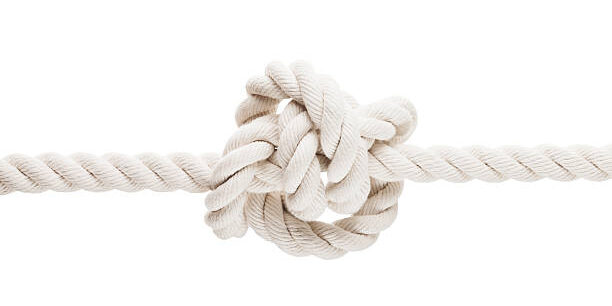
Trigger points aka Muscle Knots are tight, painful knots that form when muscle fibers stay contracted for too long. They can cause deep, aching pain, limit movement, and even send discomfort to other areas of the body. Trigger points are most often in your upper back, between the shoulder blades, shoulders, or neck. They can also occur in other areas, including your lower back, glute area and your calves. Anyone can experience these knots which can be the result of:
- Repetitive motions either in work or through hobbies or sports
- Poor Posture
- Stress
- Inactivity
- Muscle injury that causes other muscles to compensate
- Being overweight or obese.
These painful knots can interfere with productivity, sleep, or just a sense of well being
Before You Start
Do not use these techniques if you have:
- Recent fracture, infection, open wound, severe osteoporosis, or blood-clotting disorder.
- Acute swelling, unexplained numbness, progressive weakness, or fever.
- Known cancer in the area, or are on heavy blood thinners (consult a clinician first).
- Pregnant? Avoid deep pressure on the abdomen/pelvis without clinician guidance.
If a technique increases sharp, electrifying pain, causes faintness, shortness of breath, or neurological symptoms, stop and see a medical professional.
Your At Home Step-by-Step Chiropractors Guide to Natural Pain Relief for Trigger Point Pain
Step 1 – Decide what “tools” you will need
· You can use:
- Your fingers/thumb/knuckle
- A Lacrosse or tennis ball
- A Pillow or towel for support if needed.
Step 2 – Find a comfortable position
- Relax the general area of pain
- Take some relaxing slow breaths and try to loosen your shoulders and jaw to release tension
Step 3 – Find the Muscle Knot
- Feel around the area either with your fingers or if you are using a ball, roll it over the area.
- Feel for a specific area that is more tender than the surrounding area and feel for a hard knot or nodule
Step 4 – Apply Pressure to the Muscle knot/Trigger Point
- Use a pressure that would be a 5-7 out of 10 on a pain scale – uncomfortable but tolerable
- Press directly onto the muscle knot with your fingertip, knuckle or a ball apply a steady pressure
- Hold for 20-60 seconds depending on your tolerance – Remember to keep breathing
- The pain should begin to ease but continue pressing until you feel a clear reduction in pain
- Release the pressure slowly and rest for 10-30 seconds.
- Repeat this step from 1-3 times until you feel sustained relief.
Step 5 – Gently Stretch the Area
- As soon as you feel release, gently stretch the area for 20-30 seconds
- Do NOT bounce
- Move through a range of motion to further relax the area
Step 6 – After Stretching
- If the muscles in the area feet tight, apply heat to the area for 10-15 minutes
- If there is inflammation use ice for 10 minutes to help reduce swelling
- Make sure to drink plenty of water and avoid heavy use of those muscles for several hours
How to Avoid Getting Trigger Points aka Muscle Knots
- Make sure your posture is good at your desk – Make sure your monitor and chair height allow you to work comfortably
- Make sure to take small breaks by standing and moving at least once an hour
- Exercise to strengthen back, neck, and core muscles
- Sleep on a good mattress and use good pillow alignment
- Stay hydrated and balance your protein levels to your activity level
- Avoid chronic overload of specific muscle areas
Final Thoughts
Use this method anytime you feel a knot. It can be used daily if needed for mild muscle knots/trigger points. If the muscle knots/trigger points you experience are extremely tender or acute let the tissues rest for 48 hours between sessions. Continue to apply this method when you start improving but you may be able to use it less frequently and with less pressure. If you don’t make progress after a week or two or if it gets worse make an appointment to see a chiropractor.
How Does a Chiropractor Treat Trigger Points
- Spinal Adjustments – When a vertebra is out of place (out of alignment) it can irritate nerves and cause muscles to tighten which can result in trigger points. Chiropractic adjustment re-align the spine relieving the nerve irritation and helping muscles relax.
- Manual Muscle Therapy – Chiropractors can use myofascial release or trigger point therapy which involves gentle, sustained pressure or kneading to specific areas of the body to promote relaxation of the fascia (connective tissue that surrounds and supports muscles, organs, and bones) and improve blood flow.
- Provide Stretching and Mobility Exercises – These exercises can help retrain affected muscles to prevent flare ups.
- Other Therapies – A chiropractor may utilize therapies such as ultrasound, cold laser, electrical muscle stimulation, or heat or ice therapy to reduce inflammation.
Chiropractic health care not only helps release the muscle knot but reduces or eliminates future muscle knots by restoring balance, alignment, and proper muscle function.
If you live in or near the Lawrenceville area and are suffering with muscle knots/trigger points that keep reoccurring, make an appointment with us for a full evaluation and how chiropractic health care can help you