Your spine is a complex, hardworking structure that runs from the base of your skull to your tailbone. It is made up of vertebrae stacked one on top of another, with soft, cushion-like discs in between that absorb shock and allow you to move freely.
When those discs become compressed, irritated, or damaged, they can’t do their job properly. Spinal decompression can help. This gentle, noninvasive therapy is designed to restore proper spacing and function within the spine, helping your body heal more naturally.
If pain or injury is interfering with your daily life, it may be time to take action. Schedule your visit today and start getting the relief you deserve.
What to Know About the Decompression Table
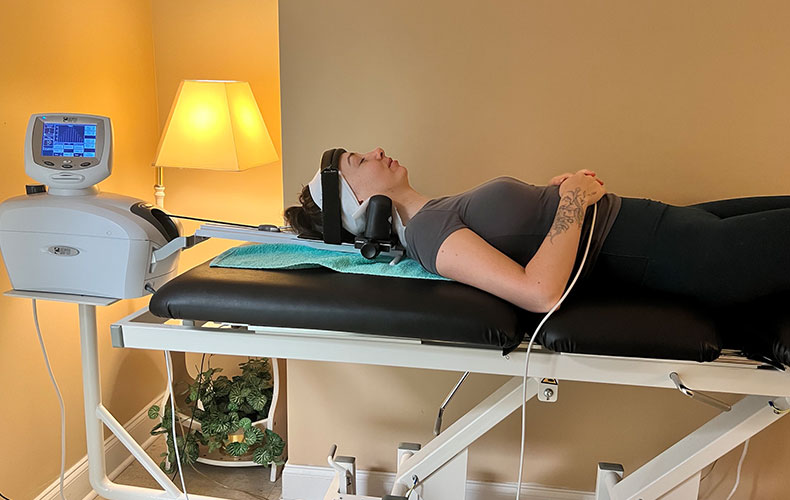
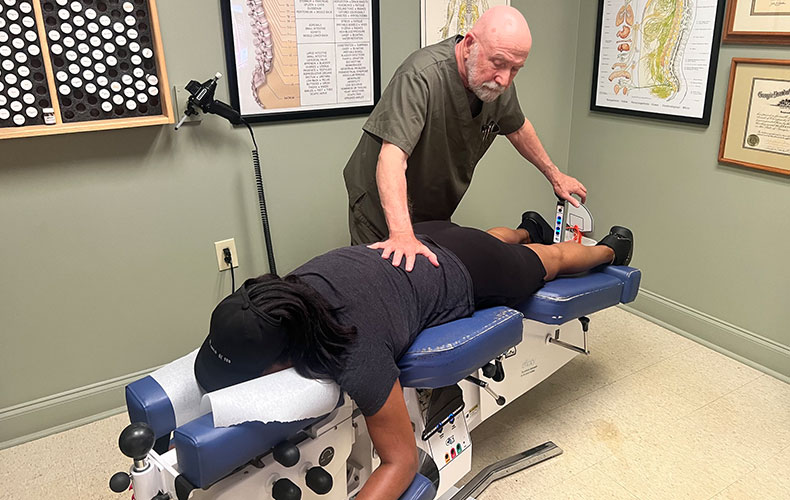
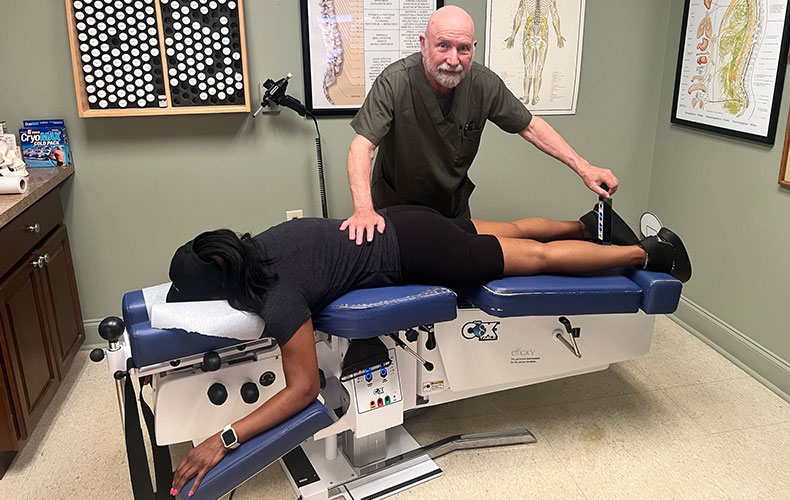
The Cox Table is specially designed to relieve pressure on the spine by carefully stretching and positioning targeted areas such as the lower back or neck. This process, known as decompression, helps reduce stress on the discs and surrounding nerves.
Spinal decompression is a non-surgical, drug-free option that may help with a wide range of conditions, including:
When the spine is not functioning properly, it can affect more than just your back. Because the body is interconnected, spinal issues may also contribute to symptoms such as shoulder tension, headaches, or hip discomfort.
Left unaddressed, these issues can disrupt your routine, limit your mobility, and reduce your overall quality of life.
Let Dr. Alexander give you the safe treatment your body needs to thrive.
How Does Spinal Decompression Work?
Spinal decompression tables feature two independently moving sections, enabling precise, controlled treatment. Each session is tailored using settings based on your specific condition and needs.
Before beginning care, our Lawrenceville chiropractor will evaluate your diagnosis, health history, and how your body has responded to previous treatments. This ensures your decompression plan is both safe and effective.
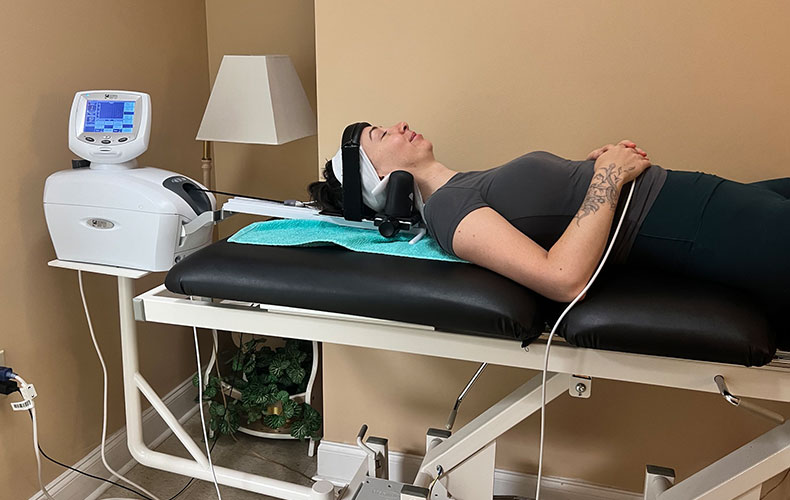
During treatment, you’ll lie comfortably on the table while it gently stretches your spine. This creates negative pressure within the discs, which helps draw fluid, oxygen, and nutrients back into the affected area. This process supports healing and can improve both function and comfort.
Effectively Treating Back & Neck Pain with Spinal Decompression
Back and neck pain are incredibly common, affecting a large portion of the population at some point in life. For many, the discomfort becomes more than an inconvenience. It can limit activities, impact work, and take away from the things you enjoy.
Spinal decompression offers a noninvasive approach to addressing these issues at their source. Reducing pressure within the spine helps create the conditions your body needs to heal.
The Cox Table is known for being both advanced and comfortable, making it a great option for those looking to avoid surgery or medication.
To get the best results, spinal decompression is often combined with other therapies as part of a comprehensive treatment plan.
Your care may include:
By combining therapies, we can support faster recovery and longer-lasting results.
Our chiropractic care team has seen how effective this approach can be and is here to help you experience the same benefits. Let’s get started!
The Process of Spinal Decompression
The first step is determining whether spinal decompression is right for you. We begin with a thorough evaluation, including a physical exam and a detailed review of your health history, lifestyle, and any past injuries.
Each session typically lasts about 30 minutes; however, the exact time varies by patient and injury. You’ll lie comfortably while the table does the work, gently stretching and releasing the spine in a controlled rhythm.
Most patients find the treatment relaxing, and many notice relief shortly after their sessions begin. Over time, consistent care helps build more lasting improvements.
Don’t Suffer From Back & Neck Pain Any Longer
Many cases of back and neck pain stem from problems within the spinal discs. These discs are constantly under pressure from daily activities like sitting, lifting, exercising, and even sleeping.
As discs wear down, they can lose hydration and height, which reduces their ability to cushion the spine. This can lead to stiffness, nerve irritation, and conditions like herniated discs or spinal stenosis.
When a disc is damaged, healing can be difficult because the area remains compressed. Spinal decompression helps by relieving that pressure, giving the disc space to recover.
Reducing pressure inside the disc allows fluids and nutrients to flow back in, supporting the body’s natural repair process. It may also help reposition disc material, taking pressure off nearby nerves and easing pain.
If you’ve been living with ongoing discomfort, you don’t have to keep pushing through it.
It’s time to start feeling better and getting back to the activities you enjoy.
Contact our team to learn more about the Cox Table or schedule now.
Spinal Decompression FAQs
Does getting spinal decompression hurt?
No. Most patients find it comfortable and even relaxing. The treatment uses gentle, controlled movements designed to avoid pain.
How long are spinal decompression therapy sessions?
Sessions typically last about 10 to 20 minutes, depending on your treatment plan.
Do patients find relief quickly?
Some people notice relief after just one session, others after a few, while others experience gradual improvement over several weeks. Consistency is key.
How many treatments will I need?
This varies based on your condition and goals. Many plans include multiple sessions over several weeks for the best results.
Is spinal decompression safe?
Yes, when performed by a trained professional and after proper evaluation, it is considered a safe and effective therapy.
Can decompression therapy help avoid surgery?
In many cases, it can reduce symptoms enough that surgery is no longer necessary, though this depends on the severity of your condition.
What should I do after a session?
You may be given simple stretches, exercises, or hydration recommendations to support your progress between visits.